
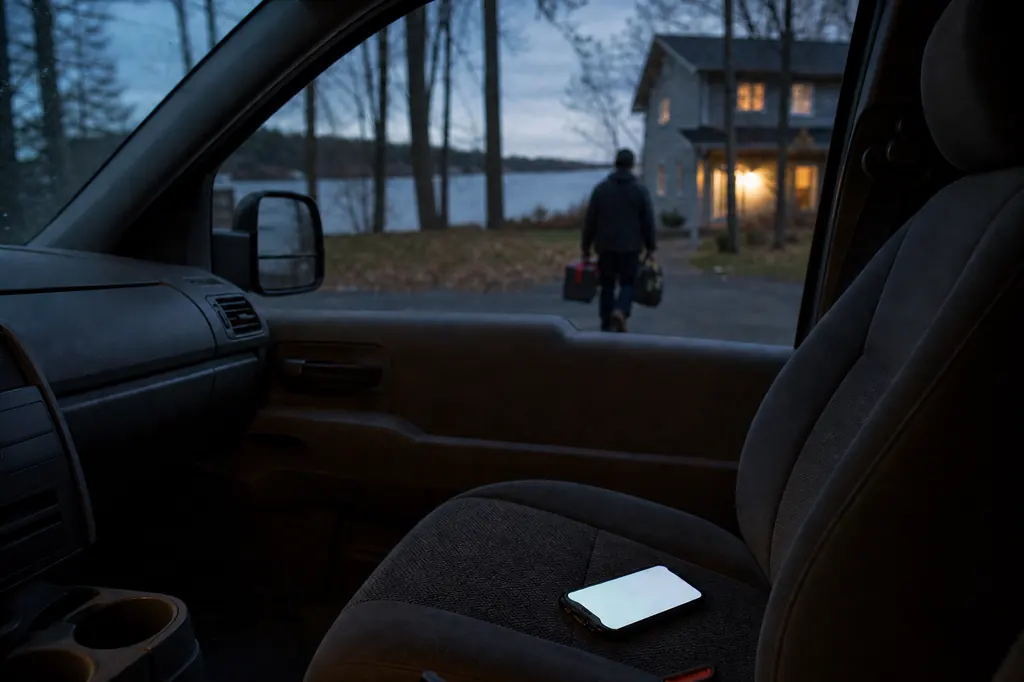
Missed-call text-back sends a preset text to eligible callers when nobody answers, then passes replies to a person if you set it up that way. It doesn't need AI. You pay for setup, the phone platform, messages, carrier registration and support. Two entry plans checked November 22, 2026 cost $14 a month billed annually or $19 per user billed monthly, before taxes and fees.
The call you may not know you lost
Every contractor misses calls. The owner is under a sink, the tech is down in a crawl space, the office closed at five, and the phone rings during dinner. Some callers leave a voicemail. Others hang up and call the next company on Google.
You may never hear about that job. The phone log has a number in it and nobody knows it was a water heater. And if that call came from a paid ad, you may have paid for it too.
For emergency trades like plumbing, heating and water damage, the stakes are higher. Someone with water on the floor may well book whoever responds first. A good company can still lose that job by being the third to call back.
What missed-call text-back does
Missed-call text-back is a simple automation. When a call to your business number goes unanswered, the system can send the caller a text, if the number can receive one and the system's own rules allow it. Something like this, after your company's name: "Sorry we missed your call. This is an automated text. Is it an emergency, or are you looking to schedule service? Reply here for the office, or STOP to opt out."
That text can keep the door open. The caller knows whose number they reached and has a way to explain the problem. Some people would rather text than leave a voicemail.
It shouldn't pretend to be you typing, and it doesn't replace answering the phone. Think of it as a backup for some of the calls you miss.
It can help during the day, too. When two calls come in at once, or the office is on the line with a supplier, the second caller may get a text instead of silence. For a small shop with one person on the phones, that can be worth having.
From missed ring to a person
- The call rings out or finds the line busy.
- The system checks whether this caller gets a text.
- The preset text goes out, and the caller replies.
- If alerts are set up, a named person hears about the reply and takes over.
The second step catches owners out. Quo sends one auto-reply per contact every three hours, and none if you recently called or texted that person. Grasshopper's feature texts new callers, so a repeat customer with no heat may hear nothing. Test any system from a new number and a known one.
Setting it up the right way
The idea is simple, but the details decide whether it helps or annoys people. Here's what we check when we set it up for a home-service company:
- Use your real business number. The text should come from the number the customer called, or one clearly tied to your company, so it's less likely to look like spam.
- Match the message to the hour. A daytime message can say you're on a job. An after-hours message should say when you'll call back, and whether you take emergency calls at night.
- Route emergencies. A reply of "burst pipe" or "no heat" at 11pm needs to alert the right person. Some systems can't sort by wording, so you may need an alert for every after-hours reply. An inbox message someone reads at eight the next morning may be too late.
- Keep it short and human. Name the company, say sorry you missed them, ask one question.
- Register your texting number. Software sending texts from a regular 10-digit number generally goes through carrier registration, called A2P 10DLC. Unregistered messages can be blocked. Toll-free numbers have their own process, and registering doesn't give you the customer's consent.
What does missed-call text-back cost?
| Option | Monthly price | One-time registration | Monthly carrier fee |
|---|---|---|---|
| Quo Starter | $19 per user billed monthly, $15 billed annually | $19.50 | $1.50 to $3 |
| Grasshopper True Solo, one user | $14 billed annually | $19.50 | $1.50 |
| Twilio, build your own | $1.15 per number, plus usage | $4.50 brand, $15 campaign | $1.50 to $10 per standard campaign |
The two packaged plans include business texting, and Quo's is subject to fair use. Twilio adds $0.0083 per text segment each way plus carrier fees, needs software to spot the missed call, and charges another $41.50 to vet a Standard brand. Its fee pages don't all agree, so confirm first. Taxes and labor aren't in these figures. Ask any provider:
- Will it work with our number, carrier and scheduling software, or must we forward calls or move the number?
- What do setup, message changes and support cost, and who do we call when texts stop?
- Can we export the conversations and keep the number if we leave?
An AI agent that converses is a different purchase. Compare it in AI receptionists, text-back and answering services.
What it won't fix
Text-back responds to some missed calls. It won't help much if nobody follows up on the replies. Decide who owns the text inbox during the day, after hours and on weekends, and how fast they're expected to respond. Write it down and make sure the whole crew knows.
It also can't text a caller who blocked their number, and most landlines won't receive one. Those callers still need a clear voicemail greeting that tells them when you'll call back.
And it's not a marketing channel. A missed call isn't a sign-up. Wireless industry guidelines say replying to someone who texted you first needs no further permission, but that doesn't settle consent after a voice call. Send one message about the call, with no coupon or special. New Jersey bars unsolicited advertising texts, and the guidelines expect written agreement before promotional texts.
We set this up as part of our AI automations work. It pairs well with call tracking, so where the data allows, you can follow the path from missed call to booked job.
When someone says stop
Stop all automatic texts to that person right away, whether they wrote STOP or asked in ordinary words, which industry guidelines say to honor.
For texts covered by federal robocall rules, any reasonable opt-out method counts through November 24, 2026. From November 25, a sender may make one of a few set methods exclusive, such as replying with STOP or another standard word, if the text clearly says so. Otherwise any reasonable method still counts. Also from that date, an opt-out from a marketing text ends consent to all that sender's marketing texts. Before and after the change, covered requests must be honored in a reasonable time, ten business days at most. This is general information, not legal advice, so have a lawyer check your setup.
Going further: follow-up the customer agreed to
Once missed-call text-back is running, some of the same tools can handle other follow-up that's easy to forget.
- Estimate follow-up. A check-in on an open quote, with the customer's okay to text and a point where it stops. Here's how to follow up without pressure.
- Appointment reminders. A text the day before a visit can save a wasted truck roll. Get agreement to reminders when you take the number.
- Review requests. A text with your Google review link after the job is marked complete, if the customer agreed to texts. We explain how to do this within Google's rules in getting more Google reviews.
- Maintenance reminders. A seasonal nudge, only to customers who opted in to it in writing. A tune-up or plan offer is advertising, and having done the last job isn't permission.
Track it, so you know it's working
These follow-ups don't have to be complicated. Together they can keep some leads from going cold because everyone was busy. For trades that live on emergency calls, like water damage restoration, text-back is worth testing before you spend more on ads, as long as someone is there to take the replies.
Like any piece of marketing, text-back should prove itself in numbers. Each month, look at how many calls were missed, how many of those callers replied to the text, and how many of those replies turned into booked jobs. Those three counts give you a rough estimate from your own calls. They can't prove the text caused a job, since some of those people would have called back anyway.
If replies are coming in but not booking, the problem is often response time or who's handling the inbox. If very few people reply, check that texts are being delivered, then try changing the wording.
Would text-back fit the way your phones work?
Request a free 20-minute growth conversation with Pam. We'll ask how your calls are handled today, what phone system you use and when calls tend to get missed, then talk honestly about whether text-back would help and what it would take to set up. Bring a week of your call log and the name of your phone provider.
Sources
- Auto-replies - Quo Resource Center, Quo. Checked November 22, 2026.
- Sign Up for Grasshopper - Pricing Starting at $14/month, Grasshopper. Checked November 22, 2026.
- Programmable Messaging and A2P 10DLC, Twilio. Checked November 22, 2026.
- Error 30034: US A2P 10DLC - Message from an Unregistered Number, Twilio. Checked November 22, 2026.
- Quo Pricing | Get started with a Free Trial, Quo. Checked November 22, 2026.
- SMS Pricing in United States for Text Messaging | Twilio, Twilio. Checked November 22, 2026.
- A2P 10DLC Brand Registration | Twilio, Twilio. Checked November 22, 2026.
- 10DLC (10-digit long code numbers) | Twilio, Twilio. Checked November 22, 2026.
- Messaging Principles and Best Practices, CTIA. Checked November 22, 2026.
- Telemarketers, New Jersey Division of Consumer Affairs. Checked November 22, 2026.
- 47 CFR 64.1200, text as of November 18, 2026, Electronic Code of Federal Regulations. Checked November 22, 2026.
- Enhancing the Ability of Consumers To Control the Robocalls (91 FR 67214), Federal Register / FCC. Checked November 22, 2026.