
Getting Basement Waterproofing Leads Before the Spring Thaw
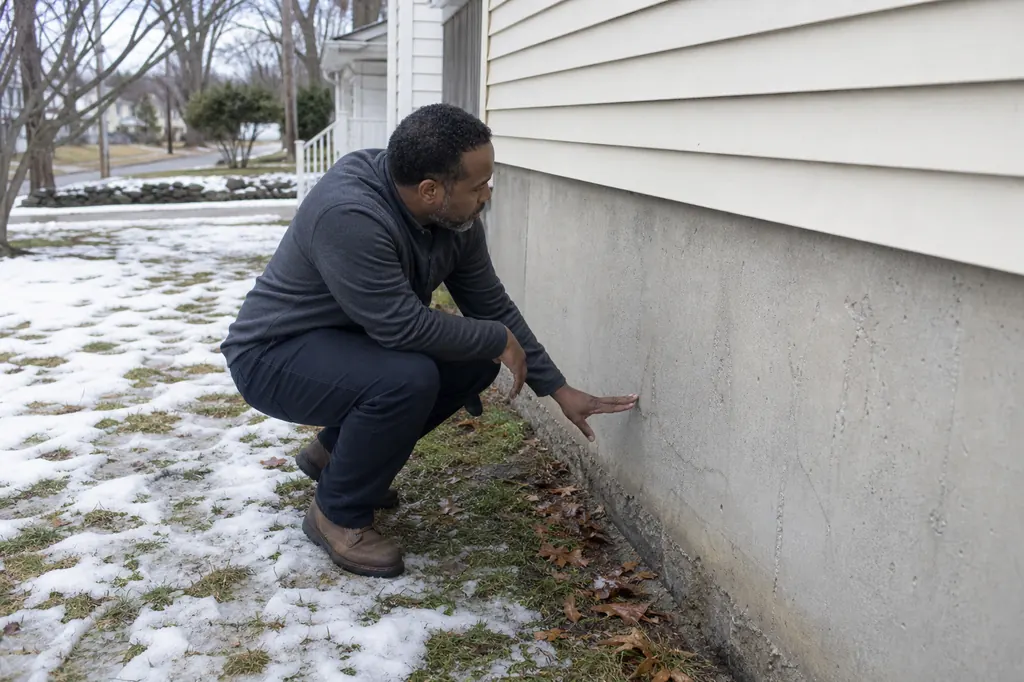
The rush comes fast, so set up early
Most homeowners don't think about waterproofing until they find water on the basement floor. In North Jersey that usually happens when the snow melts and the spring rains arrive, often in the same few weeks. Suddenly a lot of people are searching for the same thing at the same time, and they want someone out to look at it now.
The companies that win those weeks aren't the ones who start marketing when the phone gets busy. They're the ones who set everything up in January and February, so that when the water shows up, their name is easy to find, their pages answer the homeowner's questions, and somebody picks up the phone.
Here's how to get ready. Start with the jobs you most want and how many inspections your crew can handle, then build the marketing around both.
Know the homes you're marketing to
Morris and Sussex County have a lot of homes that take on water. There are older homes with fieldstone or block foundations, split-levels with finished lower levels, and houses near lakes, streams and wetlands, from the Lake Hopatcong area to the lake communities in Jefferson and Sparta. Many rely on sump pumps that only get noticed when they fail.
Each of those homeowners describes the problem differently. One searches "water in basement after rain", another "sump pump failed", another "crack in foundation wall leaking", and another "musty smell in basement". Your marketing should meet each of them where they are, in their own words, instead of hoping one general "waterproofing" page catches everyone.
Build the pages before the water shows up
Your website does a lot of the selling in this trade, because homeowners are often nervous about cost and want to understand the problem before they call. Winter is the time to get these pages in shape:
- Problem pages: wet basements, sump pump installation and replacement, foundation cracks, crawl spaces, and mold or musty smells if you handle them.
- How the inspection works: what happens when you come out, how long it takes, and what the homeowner gets afterward.
- Real photos: your crew, your equipment and finished jobs. Homeowners want to see the work, not stock images.
- Financing, if you offer it: say so clearly, because cost is the first worry for many homeowners.
- Town pages: for the towns where you want more work, with real local detail instead of copied text. We explain how to build town pages that earn their place in service-area pages that rank.
Have the ads ready to switch on
Paid search fits waterproofing well because people search with clear, urgent intent. The trick is to have the campaigns built, tested and waiting, so you can turn up the budget the moment the weather turns instead of building campaigns in a rush. You can read about our approach to these campaigns on our Google Ads and Local Services Ads page.
- Group keywords by problem, so a "sump pump" search sees a sump pump ad and lands on the sump pump page.
- Build a negative keyword list for DIY searches, like waterproof paint, sealant products, rentals and "how to" questions, plus job seekers.
- Set location targeting to the towns you actually serve, and choose the "Presence" option so ads reach people in those towns, not just people interested in them. If you use Smart Bidding, it ignores bid adjustments by area.
- Make calling easy with call assets (the phone number shown with your ad) and a clear phone number on every landing page.
- Agree on what counts as a qualified inquiry, then use call tracking to see which campaigns bring in those inquiries and inspections. It won't catch every path, so also ask callers how they found you.
- When heavy rain is in the forecast, raise budgets ahead of it, because searches tend to follow the water.
- If your company is eligible for Local Services Ads, have that profile verified and ready before spring too, since the screening process can take a while.
Speed wins the inspection
When a homeowner has water in the basement, they often call several companies. The first one to answer and book an inspection has a big head start. Decide now who answers calls during the spring rush, including evenings and weekends, and set up missed-call text-back so a missed call still gets a fast response.
Online booking for inspections helps too, if your schedule allows it. Some homeowners would rather pick a time than wait for a call back.
Give whoever answers the phone a short list of questions: which town, where the water is coming in, how long it's been happening, whether there's a sump pump, and whether the basement is finished. A few good questions on the first call help you send the right person, show the homeowner you know what you're doing, and tell you later which kinds of calls turn into the biggest jobs.
Follow up on the big tickets
Waterproofing jobs are often large and homeowners take time to decide. Many will get more than one quote, talk it over at home, and wait to see if the water comes back. That's normal. What loses jobs is silence after the estimate, which is why we treat follow-up as part of sales growth support.
Set up a simple follow-up: a thank-you after the inspection, a check-in a few days later, and another a couple of weeks out. Keep it helpful, not pushy. Answer the questions homeowners tend to have after you leave, like what the work involves and how long it takes, and if you offer financing, remind them it's there. When the next heavy rain comes, the homeowner who's been hearing from you is more likely to call you back.
And don't forget reviews. Spring jobs done well are your best source of new reviews for the following year.
Ready for the next thaw?
If you run a waterproofing company in Morris or Sussex County and want to be ready before spring, request a free 20-minute growth conversation with Pam. Together we can talk through your pages, your ads and how calls are handled, then decide what to set up first. You can also read more on the basement waterproofing marketing page.
Questions
When should a waterproofing company start its spring marketing?
Start setting up in winter. Pages, photos, ad campaigns and call handling should be ready before the first big thaw or heavy rain, so you're only adjusting budgets when the water shows up. Building campaigns during the rush means you're learning while competitors are already booking inspections.
How do I keep DIY searchers from wasting my waterproofing ad budget?
Use a negative keyword list and review your search terms every week during busy stretches. Block terms like paint, sealant, product names, rentals, "how to" and job-related searches. Write ads that mention inspections and professional repair so do-it-yourselfers are less likely to click.